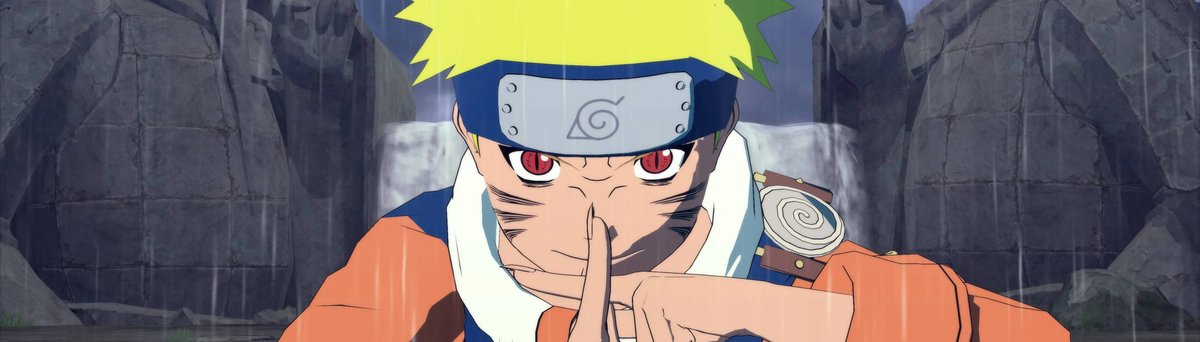
For years, Naruto stood as a titan of the anime and manga world, captivating millions with its tales of perseverance, friendship, and the relentless pursuit of peace. When Masashi Kishimoto's masterpiece concluded, a void was left—a quest began for a successor worthy of its legacy. Enter Attack on Titan, a series that didn't just fill that void but redefined the landscape, pushing thematic boundaries to exhilarating, and often horrifying, new extremes.
This hub isn't about a literal crossover between Naruto and Eren Yeager; it’s about understanding Attack on Titan's profound inheritance and evolution of themes first popularized by Naruto. It’s about recognizing how Eren embodies a darker path that even Sasuke Uchiha flirted with, and how Isayama's narrative delves into the cyclical nature of violence with a starkness that sets it apart. Prepare to explore how the spirit of Naruto Uzumaki — the hero who pulls others back from the brink — serves as a poignant counterpoint to the world Attack on Titan so unflinchingly portrays.
The Passing of the Shonen Torch: Why Attack on Titan Rose as Naruto's Heir
When Naruto Shippuden concluded its epic run, fans were left reeling, searching for the next narrative to immerse themselves in. Naruto had tackled complex ideas like revenge, war, and the psychological scars of conflict, all while championing optimism and the belief in changing hearts. Its cultural impact was undeniable, setting a high bar for any contender.
Then came Attack on Titan, storming the scene with a ferocity that quickly cemented its place in the pantheon of modern anime. With its visceral action, labyrinthine plot, and brutal honesty, it resonated deeply with a generation hungry for compelling storytelling. Dive deeper into the specific reasons why this powerhouse series captured the hearts of Naruto fans and became seen as why *Attack on Titan* is hailed as *Naruto*'s true successor, exploring its immediate appeal and lasting impact.
From Hopeful Hero to Vengeful Villain: Naruto Uzumaki vs. Eren Yeager
At the heart of Naruto was its namesake protagonist, a symbol of unwavering hope and the power of empathy. Naruto Uzumaki dedicated his life to breaking cycles of hatred, famously pulling characters like Gaara and even his best friend, Sasuke, back from paths of darkness. His journey was a testament to the belief that even the most damaged souls could find redemption and peace.
Attack on Titan, however, offers a profoundly different take on the hero's journey, especially when examining its central figure, Eren Yeager. While both characters endure immense trauma and injustice, their responses diverge dramatically. Eren's rage, ignited by the systematic slaughter of his people, consumes him entirely, transforming him from a boy seeking freedom into the architect of global destruction. To truly grasp this paradigm shift, explore the stark differences and unsettling parallels between Naruto and Eren Yeager and how their paths reflect two very different philosophies of dealing with a cruel world.
The Original Eren? Unpacking Sasuke Uchiha's Dark Resonance
Before Eren Yeager embraced his role as the ultimate antagonist, Naruto presented its own complex anti-hero: Sasuke Uchiha. Fueled by a desire for revenge against those who wronged his family and clan, Sasuke embodied a darker, more cynical response to trauma. He challenged Naruto's idealism, pushing the boundaries of what a protagonist's ally could become.
Sasuke's trajectory offers a chilling preview of Eren's ultimate fate, demonstrating the destructive potential of unchecked anger and a deep-seated grievance against "the system." While Naruto ultimately succeeded in pulling Sasuke back from the brink, Eren's story presents a world where no such intervention is possible. Discover the intriguing connection between Sasuke Uchiha and Eren Yeager and how Sasuke's journey foreshadowed the grim path Eren would carve out for himself.
The Cycle of Violence: Evolving Themes from Child Soldiers to Genocide
Both Naruto and Attack on Titan unflinchingly depict the horrors of conflict. Naruto was built on a system that utilized child soldiers, explored the trauma of war orphans, and showcased the devastating impact of generational hatred. Yet, it consistently offered a hopeful message that these cycles could be broken through understanding and forgiveness.
Attack on Titan takes these foundational themes and plunges them into an abyss of despair, showcasing a world where the cycle of violence is not just persistent but seemingly inescapable. The conflict escalates from a fight for survival against monstrous Titans to an inter-human war fueled by nationalism, revenge, and the very real threat of global genocide. For a deeper understanding of this thematic progression, read how *Attack on Titan* evolved *Naruto*'s themes from child soldiers to the cycle of genocide, examining how both series portray the profound and lasting damage of war.
It's clear that the exploration of persistent conflict is a core shared thread. Both narratives, in their own distinct ways, highlight the pervasive theme of cyclical violence in both *Naruto* and *Attack on Titan*, urging readers to consider the true cost of hatred and retribution.
Before Eren's Rampage: The Legacy of Horror in Junji Ito's Uzumaki
While Attack on Titan brought visceral gore, cannibalism, and a "never-ending loop of horror" to mainstream anime, it wasn't the first to master these grim narratives. Long before Titans devoured humanity, Junji Ito’s magnum opus, Uzumaki, pioneered a unique brand of cosmic dread and grotesque body horror. Ito's chilling exploration of a town plagued by sinister spirals established a terrifying precedent for unsettling, inescapable doom.
Uzumaki created a world where horror wasn't just external; it warped the very fabric of reality and human bodies, often culminating in disturbing acts of cannibalism driven by madness rather than power. Understanding this lineage is key to appreciating the broader context of dark storytelling in manga. To fully grasp its groundbreaking influence, explore Junji Ito's *Uzumaki* and its terrifying influence on the horror genre and its unparalleled contribution to the genre.
The Distinctive Depths of Dread: Uzumaki vs. Attack on Titan
Both Uzumaki and Attack on Titan delve into the darker facets of human existence, depicting societies gripped by fear and unimaginable horrors. However, their approaches and underlying messages are profoundly distinct. Attack on Titan's cannibalism is often tied to a quest for power and survival within a political landscape, while its horror stems from human depravity and the struggle against external and internal enemies.
In contrast, Uzumaki's horror is cosmic, inexplicable, and deeply psychological, with cannibalism emerging from a descent into spiral-induced insanity, divorced from political strife. These differences highlight how varying artistic visions can explore similar grim themes with vastly different thematic lenses. For an in-depth comparison, read the distinct ways *Uzumaki* and *Attack on Titan* depict cannibalism and dread and understand the nuanced terror each series masterfully crafts.
The Verdict: Is Attack on Titan Truly the Greatest Anime of All Time?
The critical acclaim and immense popularity garnered by Attack on Titan have led many to declare it "the greatest anime of all time." This isn't merely hyperbole; it's a testament to its complex narrative, masterful character development, stunning animation, and its willingness to confront mature themes without compromise. From its initial premise of humanity's fight for survival against monstrous Titans to its profound commentary on war, prejudice, and the nature of freedom, Attack on Titan has consistently delivered a riveting and thought-provoking experience.
Its impact on the global anime community is undeniable, inspiring countless discussions and analyses of its intricate plot and moral ambiguities. Whether it ultimately stands as the "greatest" is a debate for the ages, but its influence and quality are beyond dispute. To understand the full scope of its achievements and the arguments that support its lofty title, check out why *Attack on Titan* earns its title as potentially the greatest anime of all time.
Beyond the Walls: The Enduring Legacy
The journey from Naruto to Attack on Titan isn't just a chronological progression; it's an evolution of storytelling, a testament to how anime and manga continue to push boundaries and explore the depths of the human condition. While Naruto Uzumaki represented the hopeful spirit of overcoming hatred, Attack on Titan reflects a darker, more cynical reality where the fight for freedom often leads to further oppression. Both, however, leave an indelible mark on their audience, inviting us to ponder the true meaning of justice, sacrifice, and the unending cycle of conflict. As new series emerge, the foundation laid by these titans of storytelling will continue to shape the narratives of tomorrow.